| |
 |
|
|
|
| President Message |
 Namaste! This is my first communication to readers of FISME Factor after taking over as President. The Factor is published uninterrupted since 2014 since physical copies were stopped. It has gained wide readership and has also proved a ready record of FISME activities. Friends, one of the biggest challenges faced by MSMEs today is the problem of cash flow, largely driven by delayed payments and limited access to timely working capital. Trade Receivables Electronic Discounting System (TReDS0 was conceived to address precisely this problem. It worked but not to its full potential. Now the Reserve Bank of India has announced a set of policy measures aimed at improving liquidity, easing compliance, and strengthening the financial ecosystem. (The Writing on the wall’ in the episode). Firstly, a key step for MSMEs is the proposed simplification of onboarding on the TReDS by easing due diligence requirements. Secondly, the RBI has also focused on simplifying regulatory frameworks for banks, including easing capital adequacy norms and removing certain reserve requirements, which can indirectly support better credit flow to the sector. Beyond MSME financing, the RBI’s measures aim to improve the overall efficiency of the financial system. It has rationalised thousands of regulatory circulars into simplified Master Directions, reducing compliance burden and bringing greater clarity. Steps have also been taken to improve governance at bank boards by cutting down procedural requirements and allowing sharper focus on strategy and risk. Further, by expanding participation in the term money market to entities like NBFCs and corporates, the RBI seeks to enhance liquidity and strengthen monetary transmission. With draft guidelines to be placed for public consultation, these reforms reflect a balanced and consultative approach, while clearly signaling the central bank’s intent to ease doing business and support sustainable growth of MSMEs. FISME welcome these moves.
Rakesh Chhabra
President, FISME
|
|
| Vol XV, Issue 347: April 15, 2026 |
|
|
 |
| |
 |
| |
|
|
| Business Banter: Lessons from Entrepreneurs |
 By the time 2025 began, most early-stage founders were no longer chasing momentum for its own sake. The previous few years had already made it clear that capital cycles could change quickly and that growth rarely followed the timelines laid out in early pitch decks. What stood out this year was not a dramatic shift in ambition, but a noticeable shift in behaviour. Founders came into conversations better prepared, but also more measured.
|
| Writing on the Wall |
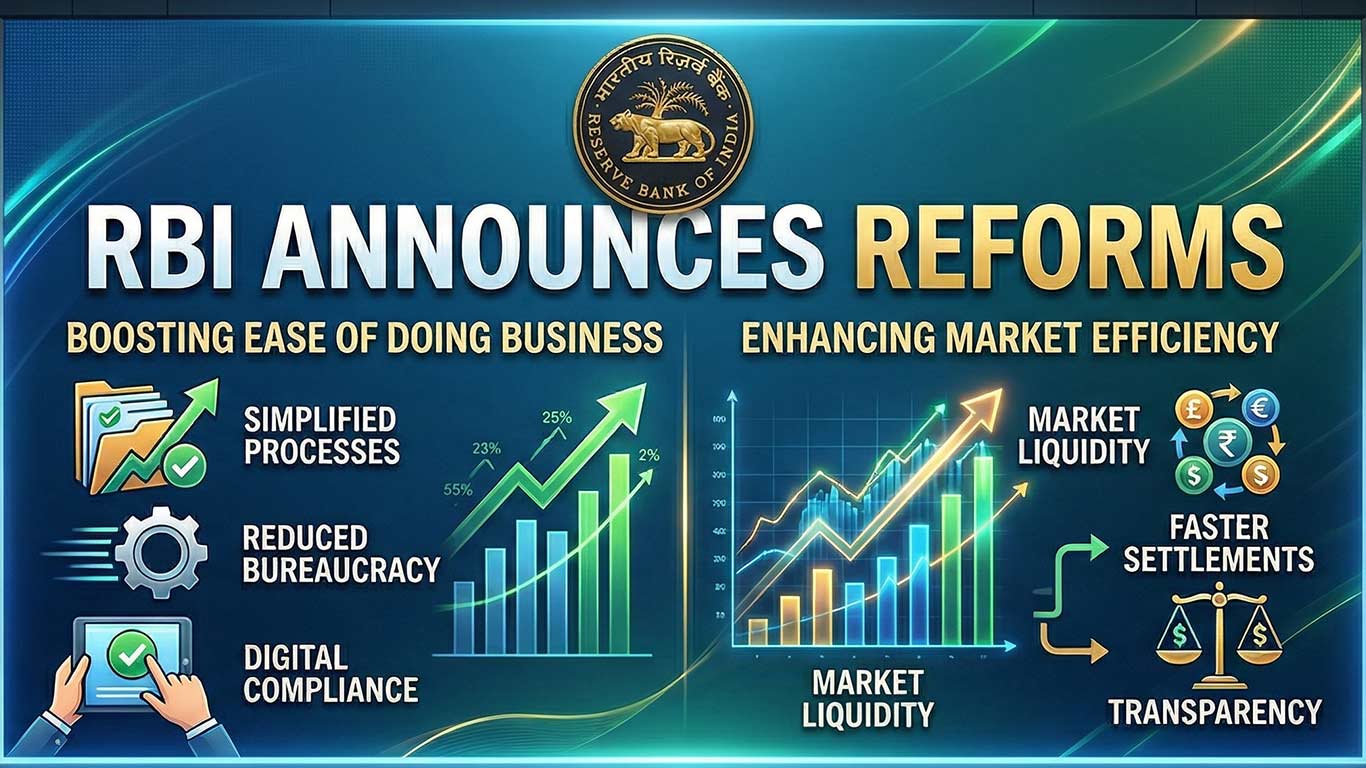
The Reserve Bank of India (RBI) has unveiled a set of developmental and regulatory policy measures aimed at enhancing ease of doing business, strengthening capital frameworks, and deepening financial markets, following decisions of the Monetary Policy Committee. The measures span four key areas, regulations, supervision, payment systems, and financial markets, reflecting a broader push towards streamlining compliance and improving financial system efficiency. Among key regulatory changes, the RBI has proposed to ease norms governing the inclusion of quarterly profits in the Capital to Risk-weighted Assets Ratio (CRAR) computation for commercial banks. ...
..
|
| Media Monitor |
Macro Metre |
 India’s automobile industry ended FY26 on a strong note, with all major vehicle segments recording their highest-ever domestic annual sales, according to data released by the Society of Indian Automobile Manufacturers (SIAM). Total domestic wholesales rose 10.4 per cent year-on-year to 2.83 crore units, compared to 2.56 crore units in FY25, reflecting robust demand across categories. Passenger vehicles (PV) recorded sales of 46.43 lakh units, up 7.9 per cent year-on-year, while commercial vehicles (CV) grew 12.6 per cent to 10.79 lakh units.
|
 India’s total exports grew 4.22 per cent year-on-year (YoY) to USD 860.09 billion in FY2025-26, while imports rose faster at 6.47 per cent to about USD 970 billion, leading to a widening of the overall trade deficit, according to data shared by Commerce Secretary Rajesh Agrawal. The combined trade deficit (merchandise and services) increased to USD 119.30 billion in FY26 from USD 94.66 billion in the previous fiscal. Merchandise exports saw a marginal rise to USD 441.78 billion in FY26 from USD 437.70 billion in FY25. In contrast, merchandise imports climbed sharply to USD 774.98 billion from USD 721.20 billion, reflecting higher inbound shipments and contributing significantly to the widening deficit, reported ANI.
|
 The government on Monday imposed restrictions on the import of Glufosinate and its salts, a widely used agricultural herbicide, for a period of six months. In a notification, the Directorate General of Foreign Trade (DGFT) said, "The import of Glufosinate and its salts... shall be restricted where the combined amount of the CIF (cost, insurance, freight) value and applicable anti-dumping duty, calculated on a per kilogram basis, is less than Rs 1,154."
|
|
|
 The government has notified the Rs 10,000-crore Startup India Fund of Funds 2.0 (FoF 2.0) to mobilise venture and growth capital for startups, with a focus on emerging and innovation-driven sectors. The scheme builds on the earlier Fund of Funds for Startups (FFS 1.0), launched in 2016 under the Startup India initiative to address funding gaps and catalyse domestic capital in the startup ecosystem. Under FoF 2.0, the government will commit funds to SEBI-registered Alternative Investment Funds (AIFs) over the 16th and 17th Finance Commission cycles. These AIFs will, in turn, invest in startups, enabling broader capital mobilisation across sectors and growth stages.
|
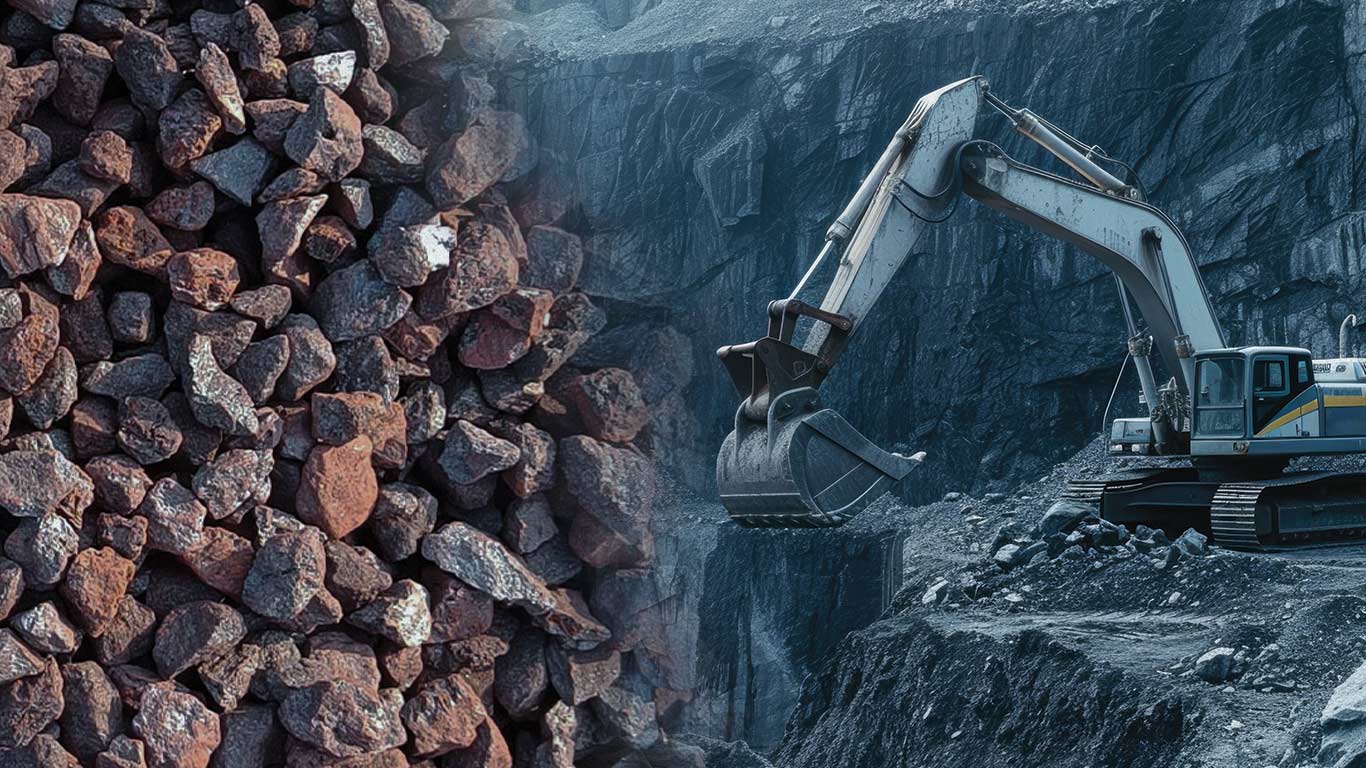 The government has amended the rules to revise average sale price (ASP) of low-grade iron ore to curb wastage of resources and ensure steady supply of mineral to the steel industry. The Ministry of Mines has notified amendments to the Mineral Concession Rules for determining the average sale price (ASP) of low-grade haematite iron ore, including Banded Haematite Quartzite (BHQ) and Banded Haematite Jasper (BHJ), according to an official release.
|
 The Ministry of Road Transport and Highways (MoRTH) has notified the National Highways Fee (Determination of Rates and Collection) Fourth Amendment Rules, 2026, introducing a revised framework to streamline fee collection for overloaded vehicles and strengthen enforcement. The amended rules, which will come into effect from April 15, 2026, revise provisions under Rule 10 governing the levy of fees on vehicles exceeding permissible Gross Vehicle Weight (GVW). The move is aimed at improving compliance with load norms, enhancing road safety and protecting highway infrastructure.
|
 The government has approved 52 new applications under Round III of the Production Linked Incentive (PLI) Scheme for Textiles, aimed at boosting investment and capacity in key segments of the sector.
Of the approved proposals, five are for Man-Made Fibre (MMF) apparel, 19 for MMF fabrics, 18 for technical textiles, and 10 span multiple segments. The selected applicants have committed a total investment of Rs 6,708 crore, with an expected turnover of Rs 21,186 crore. The approvals are expected to strengthen domestic manufacturing, drive innovation, and enhance India’s competitiveness in global textile markets.
|
| State Scan |
Gujarat
 Nearly 80 percent of small-scale detergent manufacturing units in Gujarat have shut operations, with the remaining units likely to cease production soon due to a sharp rise in raw material costs, industry associations have claimed. The Gujarat Small Scale Detergent Manufacturers Association and the Soap and Detergent Association Gujarat attributed the shutdowns primarily to a steep increase in the price of Linear Alkyl Benzene Sulphonic Acid (LABSA), a key input used in detergent manufacturing.
Arunachal Pradesh
 The Cabinet Committee on Economic Affairs, chaired by Prime Minister Narendra Modi, has approved investment proposals exceeding Rs 40,000 crore for the construction of two major hydropower projects in Arunachal Pradesh, aimed at strengthening regional power infrastructure and supporting national grid stability. The Cabinet cleared an investment of Rs 14,105.83 crore for the 1200 MW Kalai-II Hydro Electric Project on the Lohit river in Anjaw district. The project, with an installed capacity of 1200 MW (6x190 MW and 1x60 MW), is expected to generate 4,852.95 million units (MU) of electricity annually and is scheduled for completion within 78 months.
Odisha
 Odisha is positioning itself as a major hub for the garments and textile industry, with Chief Minister Mohan Charan Majhi announcing fresh investments and large-scale employment generation in the sector. The announcement came during the inauguration of a new apparel manufacturing unit by Page Industries at Ramdaspur in Cuttack district. The facility, built with an investment of Rs 750 crore, has already generated over 5,800 jobs. In addition, the company has laid the foundation for another unit in Bhubaneswar with an investment of Rs 258 crore, expected to create around 3,500 jobs. The Chief Minister also laid the foundation stone for a textile plant by MAS India Clothing Pvt Ltd in the state capital.
Haryana
 The Haryana government has decided to set up district-level clearance committees to expedite approvals for Micro, Small and Medium Enterprises (MSMEs), as part of its efforts to improve the ease of doing business in the state. Under the amended Haryana Enterprise Promotion (Amendment) Rules 2026, each district will have an 18-member committee chaired by the Deputy Commissioner, reported The Times Of India. These panels will include senior officials from multiple departments and will be responsible for streamlining approval processes, fast-tracking clearances for MSME projects and enhancing inter-departmental coordination.
|
|
 |
 |
 |
 |
FISME’s official Twitter handle @fisme |
 |
KNN India’s official Twitter handle @knnindia |
 |
|
|
| Other Events |
Annual Nutrition Summit India
RideAsia- EV
AyurYog Expo
Date: 24 - 26 Apr 2026
Venue: Greater Noida
See Details
Die & Mould India International Exhibition
Smart Home Expo (SHE Mumbai)
Plastic Recycling Conference Asia (PRCA)
|
| Your Views |
What government support would you recommend for exporters? 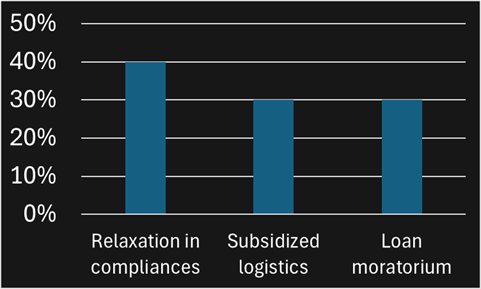
According to the FISME factor, 40% of MSMEs recommend that government support for exporters should focus on relaxation in compliance burden, 30% prefer a loan moratorium, while the remaining 30% consider subsidized logistics essential. |
| Knowledge Store |
HR Heuristics
Is career growth influenced more by visibility than capability?
 There’s a familiar workplace paradox most professionals quietly wrestle with. You’ve probably seen it play out more than once. The person who speaks up in every meeting, builds strong networks and is always “seen” moves ahead faster. Meanwhile, someone else—equally, if not more capable—continues to deliver quietly, waiting for their work to speak for itself. Over time, that gap doesn’t just feel real;
|
Finance Fundamentals
NABARD Unveils Delhi’s Maiden Credit Plan, MSMEs In Focus
 The National Bank for Agriculture and Rural Development (NABARD) on Monday organised the national capital’s first-ever State Credit Seminar, marking the release of Delhi’s maiden State Focus Paper (SFP) for 2026–27. The document projects a priority sector lending (PSL) potential of around Rs 2.62 lakh crore for the National Capital Territory, aimed at strengthening the flow of institutional credit to key sectors. MSMEs Dominate Credit Projections,
|
|
Marketing Mantras
Low-Budget Digital Marketing Tactics For Every MSME Must Know in 2026
 Digital Marketing Tactics For Every MSME are becoming a critical business lever in 2026 as MSMEs face increasing pressure from rising costs, tighter margins, and fast-changing market dynamics. With limited marketing budgets and intense competition, MSMEs can no longer afford inefficient campaigns or trial-and-error strategies. Digital platforms offer affordable access to customers, but success depends on using the right tactics, staying informed about market trends, and making timely decisions.
|
|
Policy Polemic
GTRI Flags Rising QCO Compliance Costs, Urges Cap On Testing Charges To Protect MSMEs
 The government should cap testing and certification charges for routine industrial products, as rising compliance costs under Quality Control Orders (QCOs) risk impacting manufacturing and small importers, trade-focussed think tank Global Trade Research Initiative (GTRI) has said. While the QCO framework is aimed at improving product quality and consumer safety,
|
|
SME Special
KhetiBuddy is turning fragmented farm data into business intelligence
 In Indian agriculture, data isn’t the problem; usability is. From apps and sensors to enterprise platforms, farm businesses are flooded with information. But most of it remains fragmented, locked in systems that don't talk to each other, and too complex for field teams to actually use. Vinay Nair and Richa Nair discovered this gap while selling natural fertilisers to farmers in Maharashtra. Despite heavy tech adoption, critical decisions were still being made without reliable, accessible data on the ground.
|
|
Success Story
How Tocco is turning home chefs into women entrepreneurs
 Tocco is a platform helping home chefs, especially women, turn their cooking into income. With micro-production hubs and a standardised model, it is scaling traditional food into a growing business. After completing her engineering degree in Keralam 14 years ago, Reshma Suresh moved to Mumbai to begin her career in the healthtech sector. Working at the intersection of artificial intelligence and radiology, she served stints at companies such as Biosense and Qure.ai. Despite her professional success in Mumbai, Suresh was homesick for food.
|
Stockpile
The National Statistical Office (NSO), Ministry of Statistics And Programme Implementation (MoSPI) has released the Consumer Price Index (CPI) with base year 2024=100 for March, 2026.
|
Quotable Quotes
 “ If you want to walk fast, walk alone. But if you want to walk far, walk together. ”
– - Ratan Tata-Indian industrialist, investor and philanthropist
|
| Country Chronicles |
|
FISME regularly receives monthly reports on the economies of various countries from their missions in India. These reports provide information on key economic parameters, trade related information and all news relevant for importers and exporters. In this edition you can take a look at reports on:
|
| Reader Reactions |
Write and Win prize!
Write your comments on the FISME Factor. Share your views and suggestions on MSME issues. Win prize! The best mail will get a special book every fortnight.
send mail to: newsletter@fisme.org.in
|
| Editorial Team: |
Hon. Editor: Anil Bhardwaj
Asstt. Editor: Kalpana Sharma
Types setting & websdesigning: Sanjay Sachan
|
|
|
|
You are receiving this Newsletter because you are included in our mailing list of recipients who are involved or interested in FISME or Indian MSMEs. You are welcome to partly or fully reproduce and disseminate the contents of this publication provided that you acknowledge the source.
To subscribe/unsubscribe to this Newsletter
click subscribe or unsubscribe
This Newsletter is edited by the FISME Secretariat. We welcome contributions as well as comments and suggestions. Please write to info@fisme.org.in |
|
|
 |
Hyderabad
H. No. 6-3-569 / 1/2/4,
2nd floor, Rockdale Compound, Somajiguda
Hyderabad – 500082
Tel: +91- 40- 23322117 Fax: +91 -40- 23312116
Email: hyderabad@fisme.org.in |
|
| |
Jhandewalan
Tel: +91- 11- 4364 2013
Email: chamber.jw@fisme.org.in |
Mahipalpur
Tel: +91 -11- 46035866
Email: chamber.mpur@fisme.org.in |
|
|
|

|
|
|
|
|
|
|
|
|
|
|




 India and France have reviewed cooperation on economic security and broader strategic ties during Foreign Office Consultations held in Paris, according to an official statement.Push to Boost Trade and Talent Mobility The discussions covered key deliverables under the bilateral relationship, including collaboration on economic security, innovation, and efforts to boost trade and talent mobility. Both sides also reiterated their shared ambition of doubling bilateral trade and enhancing the crossflow of STEM talent, including increasing the number of Indian students in France.

 Qatar has reaffirmed its commitment to remain a dependable energy partner for India, even as geopolitical tensions disrupt global fuel markets. Qatar’s Energy Minister Saad Sherida Al-Kaabi conveyed this assurance during talks with India’s Petroleum Minister Hardeep Singh Puri in Doha. Both sides welcomed the two-week ceasefire announced on April 8 and stressed the need for an early restoration of stability in global energy markets. They underlined the importance of ensuring ‘unimpeded freedom of navigation’ and smooth global trade flows to maintain supply chains, PTI reported.