| |
 |
|
|
|
| President Message |
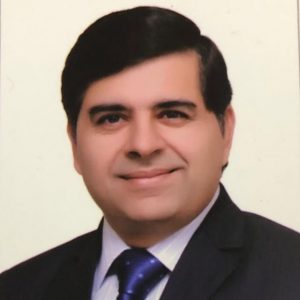 The continuing conflict in West Asia is increasingly becoming a crisis for MSMEs in India. With the Strait of Hormuz remaining shut for over two months, disruptions in energy supplies, shipping routes and global trade flows are rapidly transmitting into the everyday realities of small businesses. Twice government had to resort to price hike in petroleum prices during the week. For India's MSMEs — which account for the overwhelming share of manufacturing units and employ millions — even modest increases in fuel, freight and raw material costs can severely disrupt viability. Unlike large corporations, small enterprises have little capacity to hedge risks, absorb prolonged cost escalations or withstand delays in shipments and payments. Engineering units, textile manufacturers, plastic processors, chemical-based industries, transport operators and export-oriented clusters are already feeling the pressure of rising logistics costs, uncertain delivery schedules and volatile input prices. What appears as a geopolitical conflict on the global stage translates, for MSMEs, into shrinking margins, stressed cash flows and growing business uncertainty. The larger concern is that the economic shock is compounding an already difficult operating environment for MSMEs. Many enterprises continue to struggle with delayed payments, expensive credit, compliance overload and weak domestic demand. A prolonged disruption in West Asia could further squeeze working capital cycles and dampen investment sentiment among small entrepreneurs. While the Central government has taken a few measures such as ECLGS 5.0 for working capital support and announcing the crisis as force majeure. The States have largely ignored the issue. FISME intends to appeal to the States to also join hands and provide time relaxation in supply contracts and give temporary relief on compliance burdens. India's economic resilience ultimately rests on the resilience of its MSME ecosystem, which forms the foundation of employment, supply chains and local manufacturing capabilities. It is therefore essential that policymakers- both in the Center and the States, view the evolving crisis through the MSME lens.
Rakesh Chhabra
President, FISME
|
|
| Vol XV, Issue 349: May 15, 2026 |
|
|
 |
| |
 |
| |
|
|
| Activities |
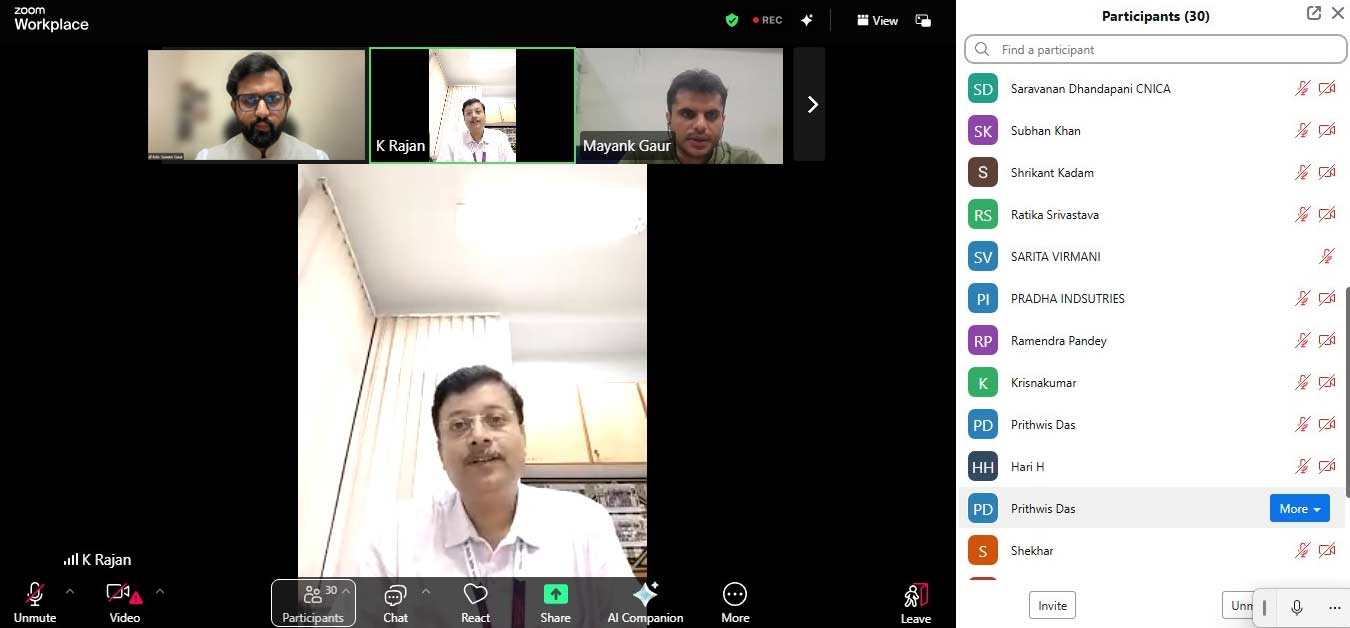 With the growing complexity of MSME financial products, disputes related to foreclosure charges, prepayment penalties, EMI calculations, and loan closures are on the rise. To address this, FISME hosted a webinar, "Strengthening MSME Financial Agreements and Dispute Resolution Mechanisms" on 12th May 2026. The session featured Mr. Kumar Rajan (Chief Manager, State Bank Academy, Gurugram), Adv. Suveer Gaur (WeVaad Empanelled Expert), and Ms. Ratika Srivastava (Legal Manager, WeVaad). The event guided MSMEs on key agreement issues, arbitration clauses, and how mediation, conciliation, arbitration, and platforms like WeVaad can expedite dispute resolution and improve recovery efficiency.
|
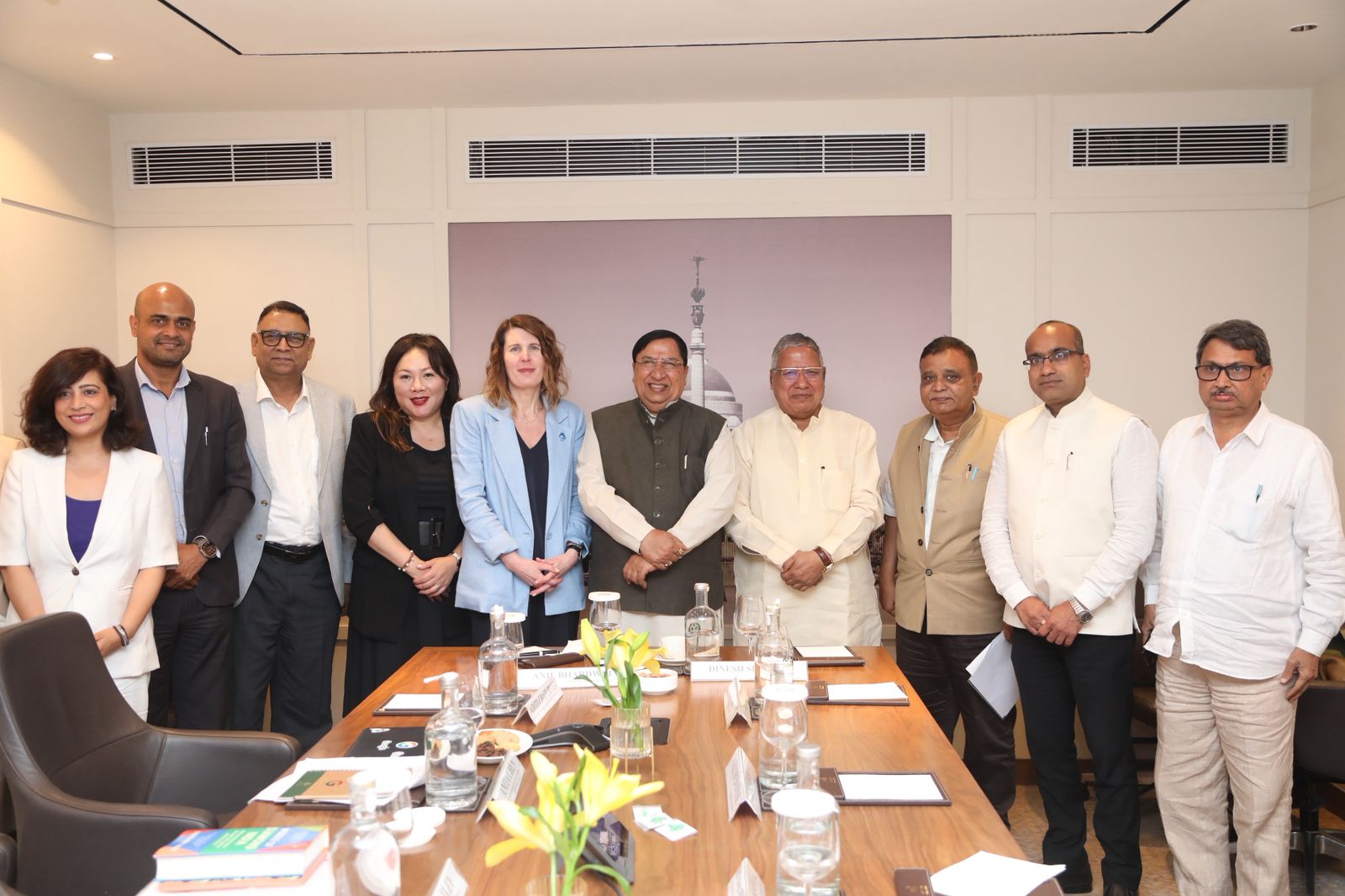 On 8 May 2026, a Google delegation led by Kara Bailey and Anita Chen met FISME and ‘Friends of MSME in Parliament’ members in New Delhi. The discussions focused on Google’s strategic plans for India and support for Indian MSMEs. The meeting provided a platform to explore collaboration opportunities, digital adoption, and initiatives to strengthen MSME growth across the country.
|
 |
|
|
| Business Banter: Lessons from Entrepreneurs |
 Early-to-mid stage founders on navigating high CACs, shifting consumers and the move from acquisition-led growth to sustainable scale. In 2026, it takes not only speed but substance to build a successful brand in the Indian consumer ecosystem. Across categories, founders are navigating tighter capital cycles, rising digital acquisition costs and a consumer who is far more deliberate about what they buy and why. Founders say these pressures are pushing brands to move beyond acquisition-led growth and focus instead on retention, operational discipline and sustainable unit economics.
|
| Writing on the Wall |
The economic impact of the West Asia conflict continues to increase with no lasting resolution on the horizon. Whether the period of peak military action is past us is anybody's guess.
What we know is the Strait of Hormuz has remained shut for over 70 days now, catching global economic activity in a suffocating chokehold.The result is continuing shortages in crude oil supply as inventories deplete, mounting shipping costs and slowing global trade, with effects cascading downstream and upstream. So much for geopolitical risks. If the weathermen are right, an El Niño event is on the cards as well this fiscal and is forecast to fall during India’s most important monsoon season..
|
| Media Monitor |
Macro Metre |
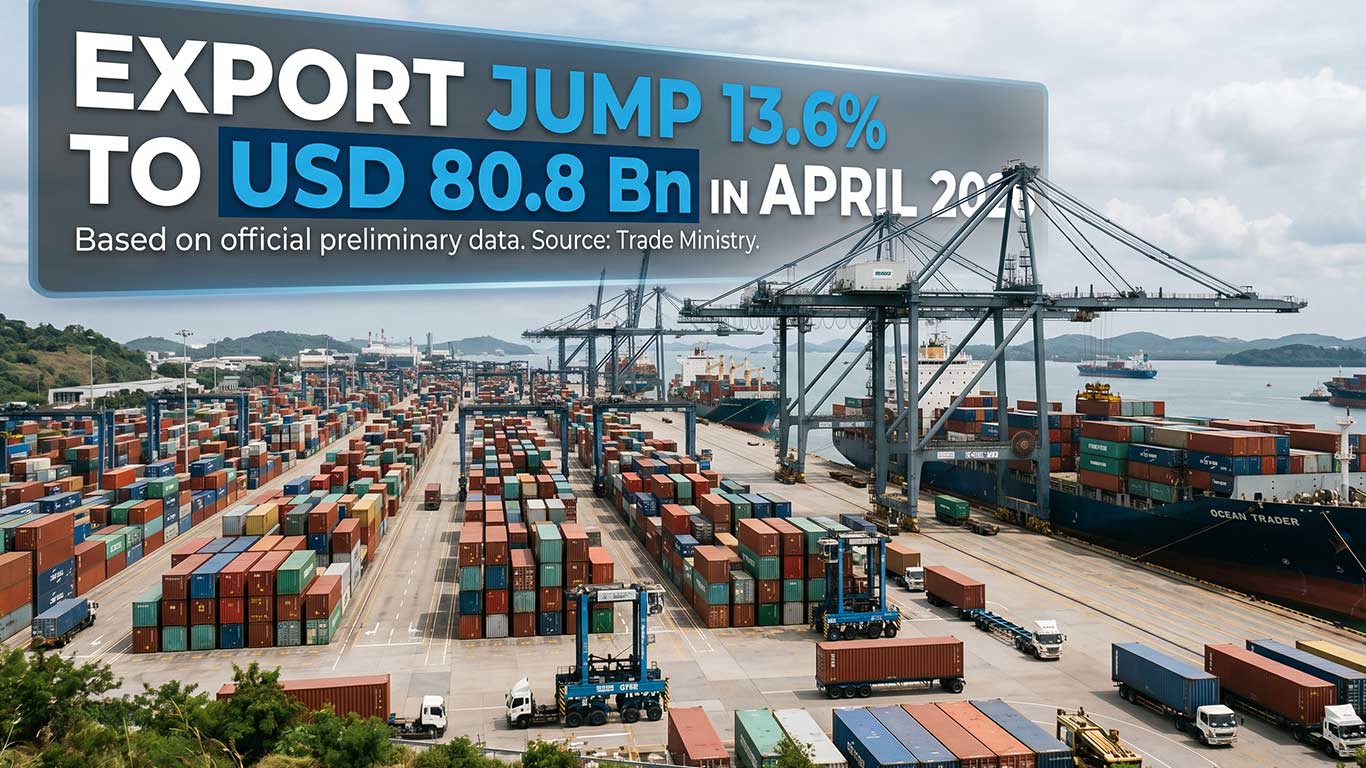 India’s total exports of merchandise and services reached an estimated USD 80.80 billion in April 2026, marking a 13.59 per cent increase from USD 71.13 billion in April 2025, according to data released by the Commerce & Industry Ministry. Total imports stood at USD 88.61 billion, up 7.67 per cent year-on-year (YoY) from USD 82.29 billion, while the overall trade deficit narrowed to USD 7.81 billion from USD 11.16 billion a year earlier.
|
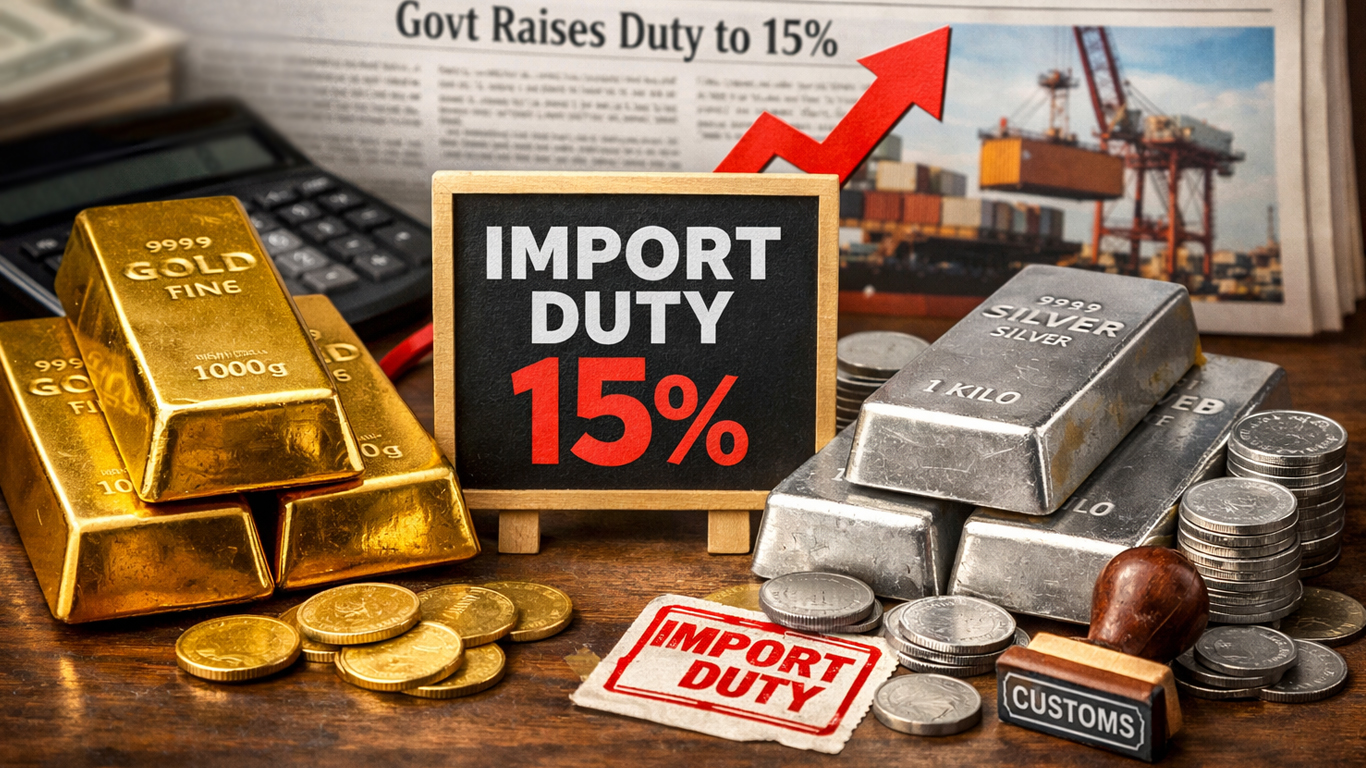 The Ministry of Finance on Wednesday raised import duties on gold and silver to 15 percent from 6 percent as part of a broader strategy to curb precious metal imports and conserve foreign exchange reserves amid mounting pressure from the ongoing West Asia crisis. According to a notification issued by the finance ministry, the revised levy includes a 10 percent basic customs duty along with a 5 percent Agriculture Infrastructure and Development Cess (AIDC), taking the effective import duty on gold and silver to 15 percent from May 13.
|
 India’s private capital expenditure rose sharply by 67 percent year-on-year to Rs 7.7 lakh crore in September 2025, compared with Rs 4.6 lakh crore in the same period last year, signalling a strong revival in the investment cycle, according to the Confederation of Indian Industry (CII). Manufacturing Leads Private Capex Growth The surge was largely driven by the manufacturing sector, which accounted for nearly half of the total private capex at Rs 3.8 lakh crore, led by investments in metals, automobiles and chemicals, reported the Economic Times.
|
|
|
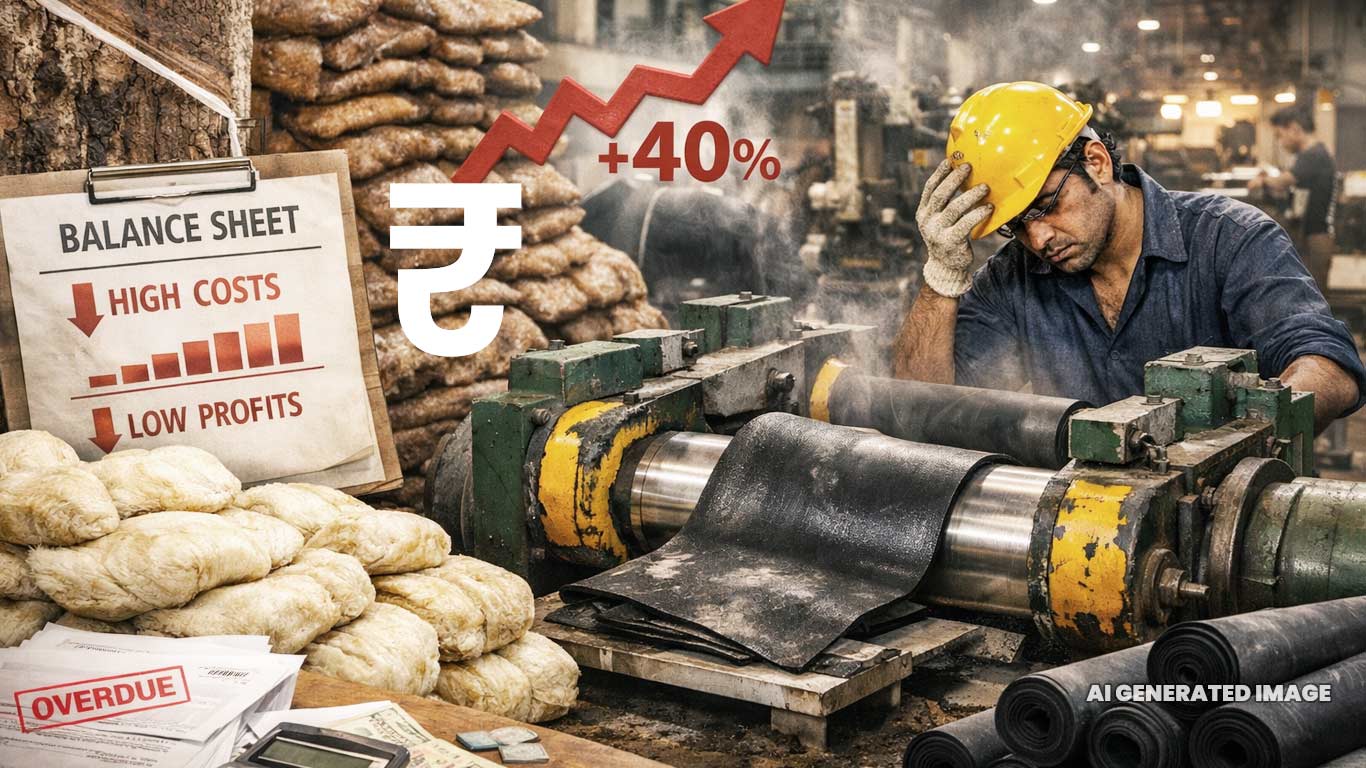 India’s rubber sector MSMEs are facing mounting pressure as natural rubber prices have surged 35-40 percent amid geopolitical tensions and war-related uncertainty, the All India Rubber Industries Association (AIRIA) said. AIRIA President He noted that unlike larger companies, MSMEs do not have the financial capacity to maintain large inventories or absorb sudden price volatility in key raw materials. The sharp rise in natural rubber prices has significantly increased production costs for small rubber product manufacturers, many of whom operate on thin margins and limited working capital.
|
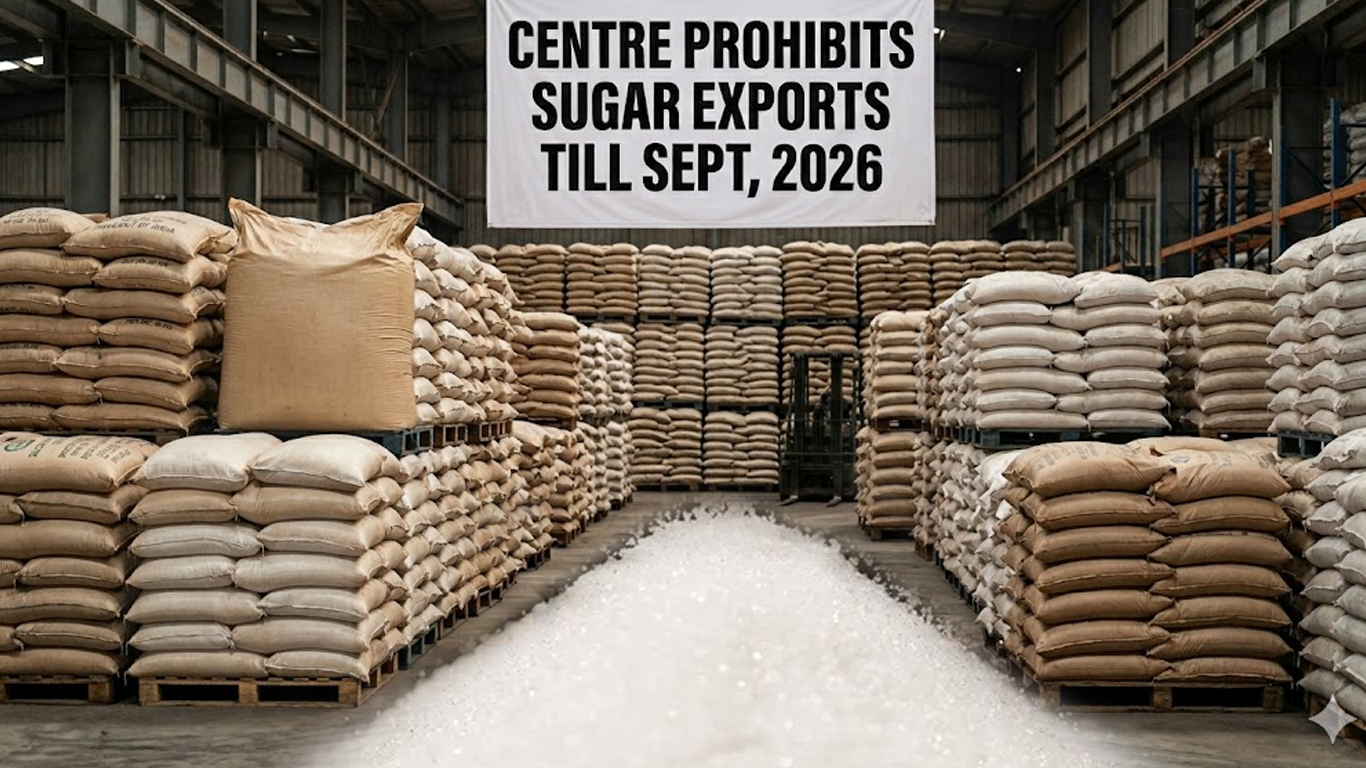 The Centre has prohibited sugar exports until September 30, 2026, citing domestic supply concerns, according to a notification issued under the Foreign Trade (Development and Regulation) Act, 1992 and the Foreign Trade Policy 2023. The government said exports of sugar, including raw, white and refined varieties classified under Chapter 17 of the Indian Trade Clarification based on Harmonized System (ITC-HS) Schedule 2, will remain prohibited with immediate effect until September 30, 2026, or until further orders, whichever is earlier.
|
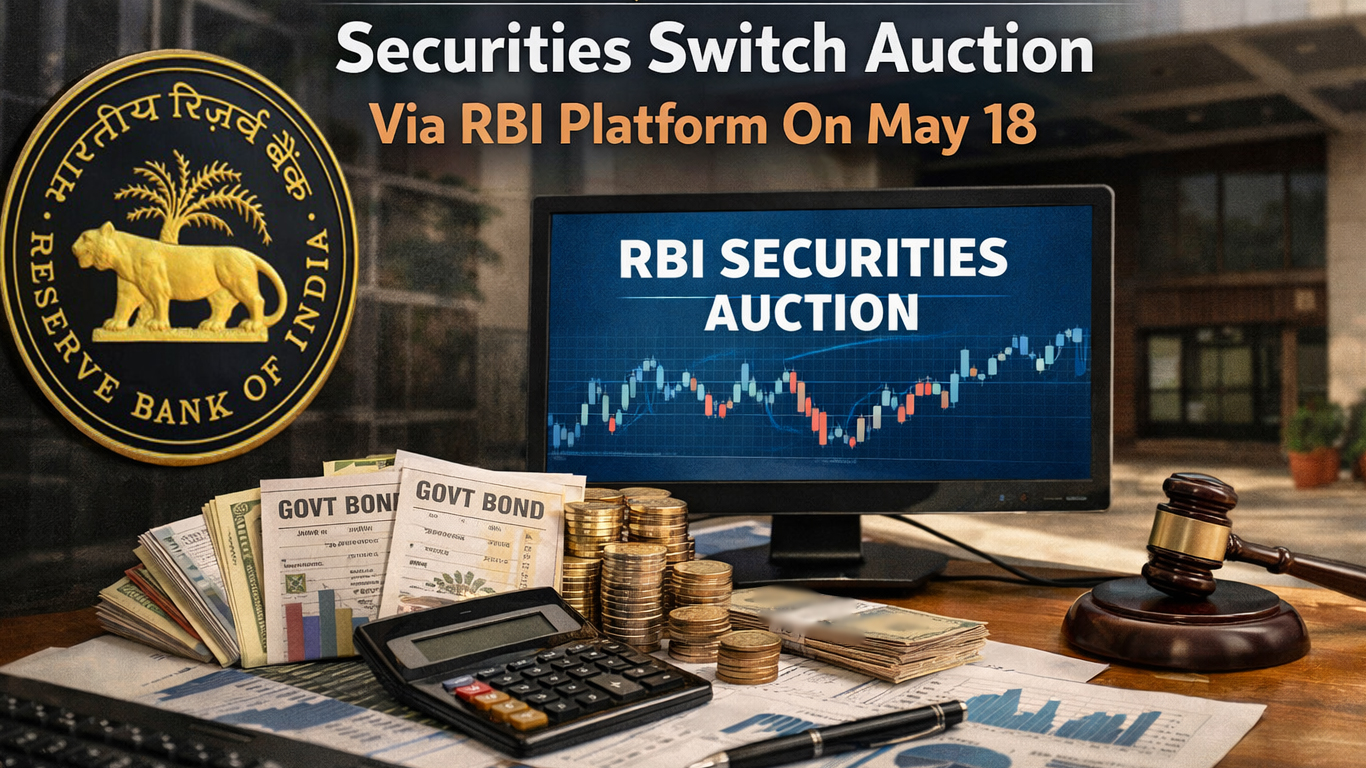 The Government of India has announced an auction-based switch of government securities worth Rs 30,000 crore in face value as part of its debt management strategy. According to the notification, market participants will be required to submit bids through the Reserve Bank of India’s Core Banking Solution platform, e-Kuber, by specifying the amount of source securities they intend to sell along with the quoted prices of both source and destination securities.
The auction will follow a multiple-price format, meaning successful bidders will receive allotments at their respective quoted prices for both source and destination securities.
|
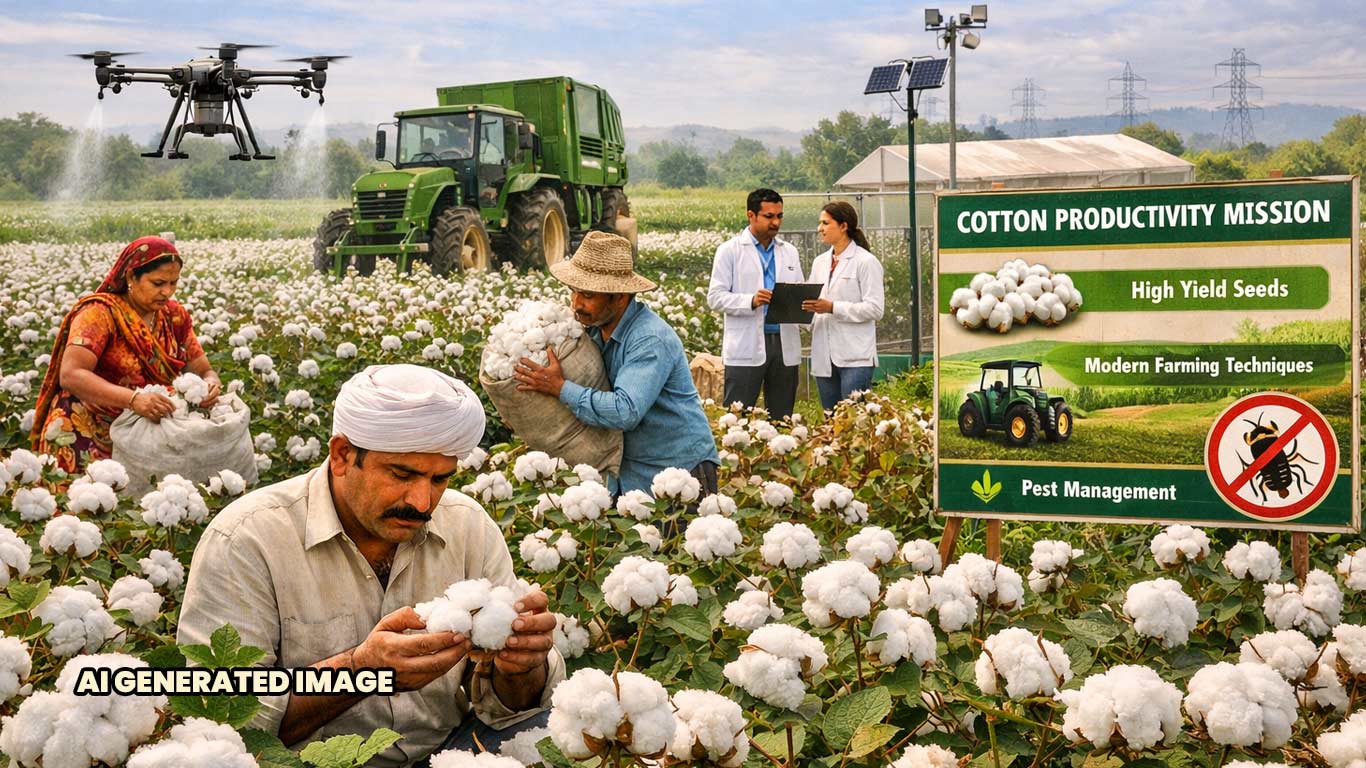 The Union Cabinet, chaired by Prime Minister Narendra Modi, has approved a Rs 5,659.22 crore “Mission for Cotton Productivity” for the period 2026–27 to 2030–31, aimed at addressing structural challenges and improving productivity and quality in India’s cotton sector. The mission seeks to enhance farm-level yields and strengthen the entire cotton value chain in line with the government’s 5F vision—spanning farm to global markets.
It will focus on developing high-yielding, climate-resilient and pest-resistant seed varieties, alongside scaling up modern agronomic practices such as High Density Planting System (HDPS), closer spacing, and integrated crop management.
|
| State Scan |
Rajasthan
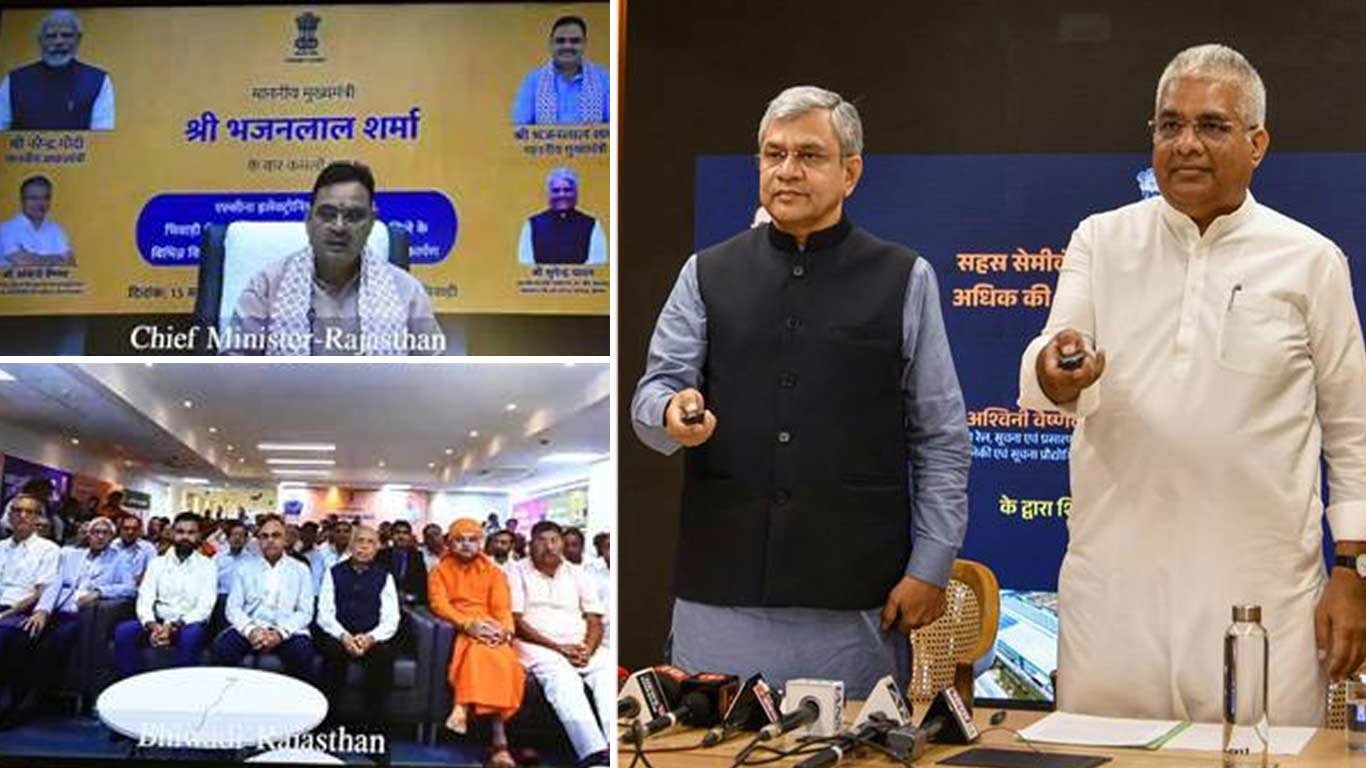 Union Minister for Electronics and Information Technology Ashwini Vaishnaw virtually inaugurated the semiconductor ATMP/OSAT facility of Sahasra Semiconductors — India's first small and medium enterprise (SME) to commence commercial production of semiconductor chips, along with the Electronics Manufacturing Cluster (EMC) developed by ELCINA. According to a government press release, the Sahasra Semiconductors Pvt. Ltd. facility, developed under the Ministry of Electronics and Information Technology’s (MeitY) Scheme for Promotion of Manufacturing of Electronic Components and Semiconductors (SPECS), has been set up with an investment of over Rs 150 crore.
Goa
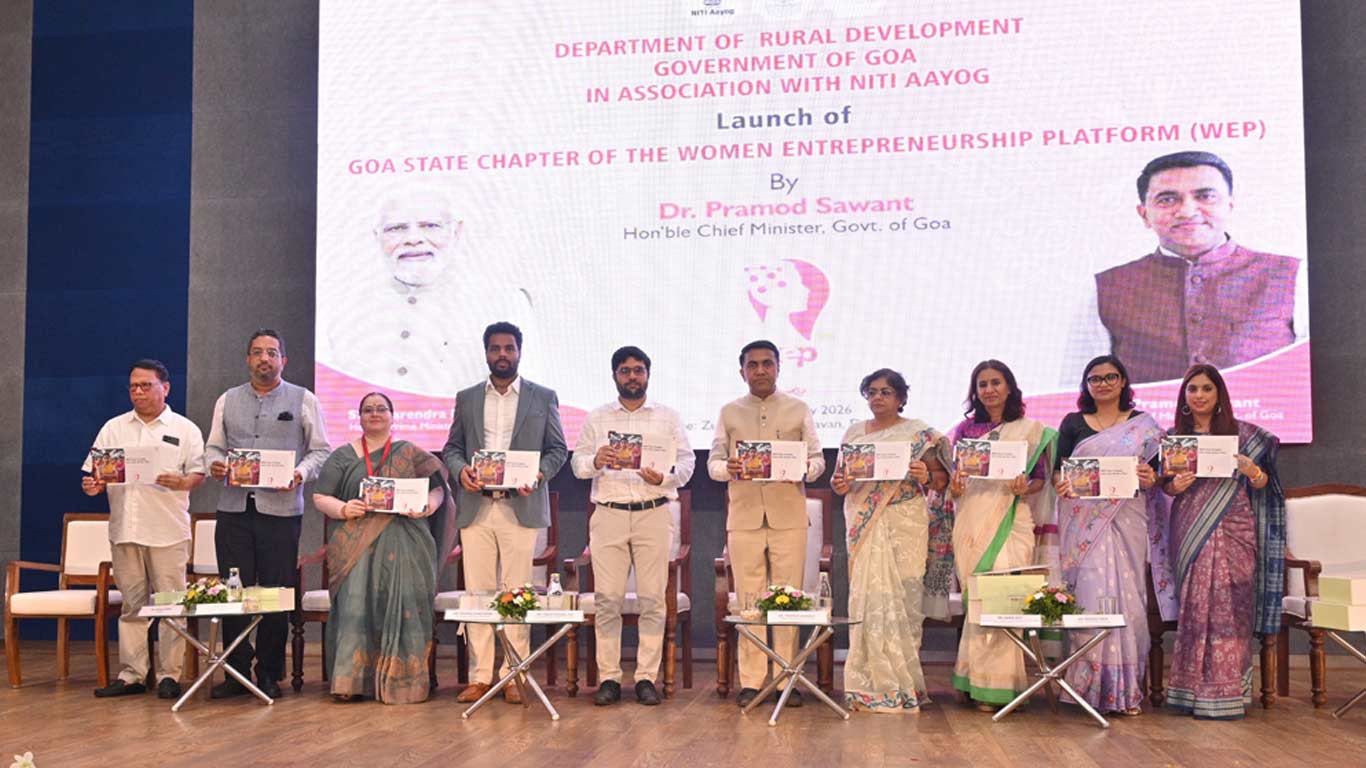 The government think-tank NITI Aayog has launched the Goa chapter of the Women Entrepreneurship Platform (WEP) at Lok Bhawan, Goa, aimed at strengthening women-led entrepreneurship in the state. The initiative seeks to expand opportunities for women entrepreneurs through strategic partnerships, skilling programmes, mentorship, market linkages, digital empowerment and institutional support.
As part of the launch, the Goa WEP has chapter introduced a structured one-year action plan focused on entrepreneurship development, startup networking, investor engagement, skill-building and improving market access for women-led enterprises.
Delhi
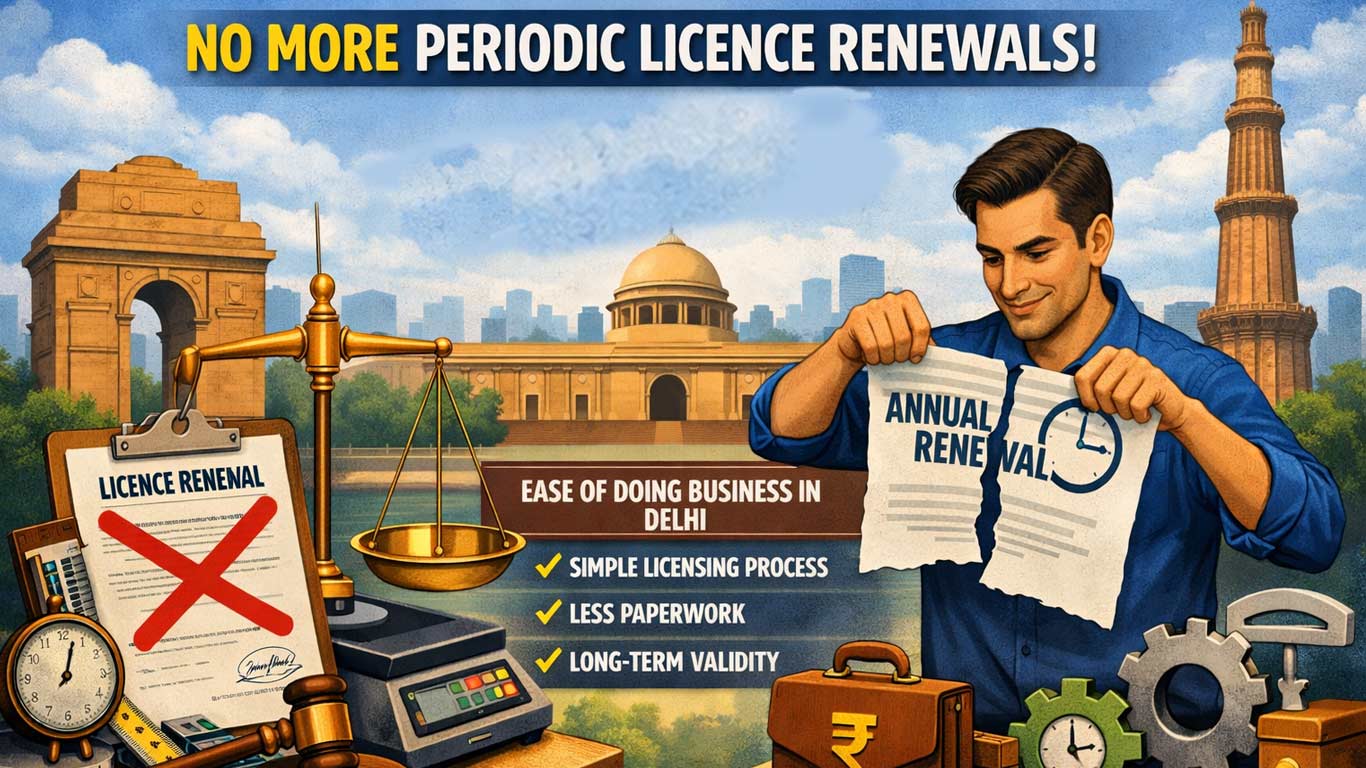 In a move aimed at improving ease of doing business, the Government of Delhi has decided to eliminate periodic licence renewals for manufacturers, dealers and repairers operating under legal metrology rules and replace the existing framework with a self-declaration-based approval system. The reform is part of Delhi’s Deregulation Exercise 2.0, which seeks to reduce compliance burdens and streamline regulatory processes across departments, reported the Economic Times.
Industries and Food Supplies Minister Manjinder Singh Sirsa said the objective of the reform is to reduce procedural hurdles, improve trust-based governance and create a regulatory framework that supports business growth while maintaining accountability.
Uttar Pradesh
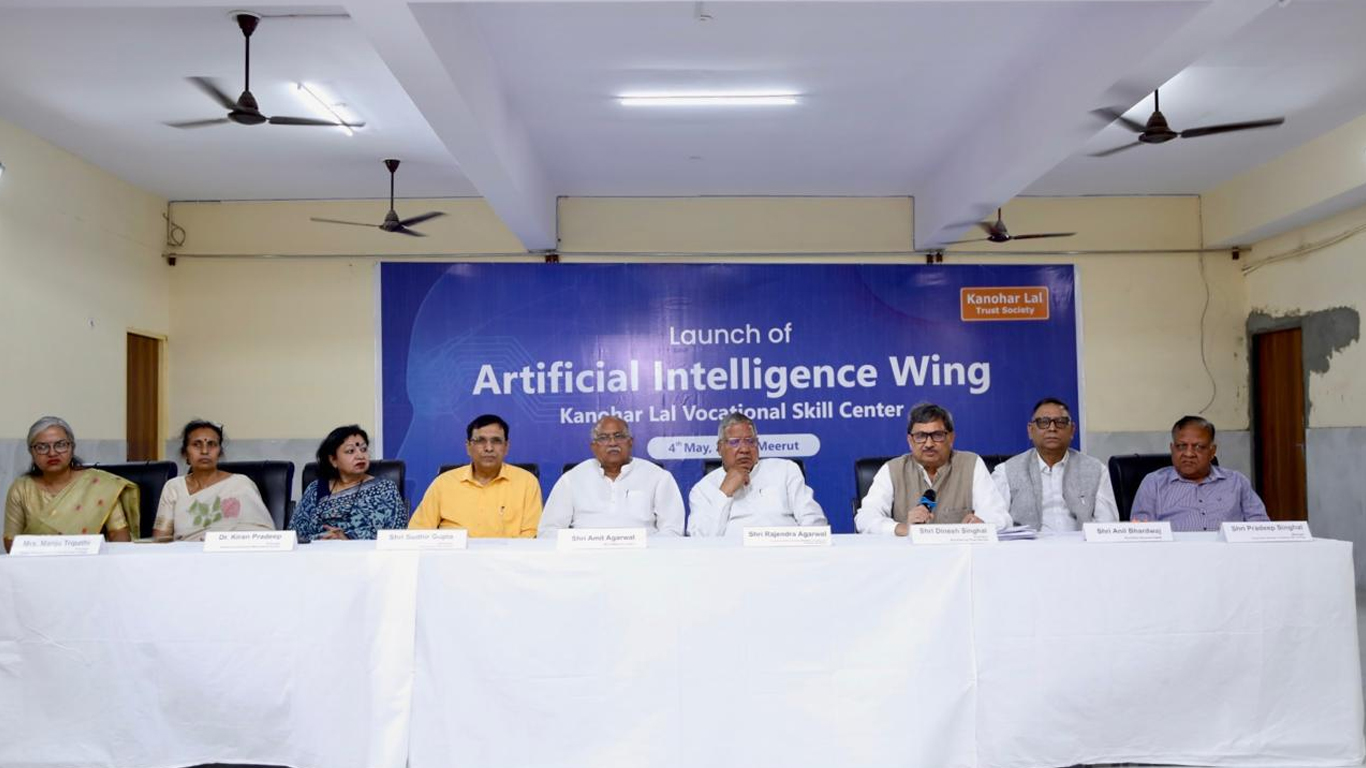 Non-profit Kanohar Lal Trust Society has opened ‘Artificial Intelligence Wing’ at the Kanohar Lal Vocational Skill Center, an initiative aimed at equipping students and teachers with new-age AI-based skills. The inauguration programme was attended by former Member of Parliament Rajendra Agrawal. This initiative to connect youth with emerging technologies and innovation is seen as an important step toward building a brighter future.
The programme began with a welcome address, followed by the distribution of certificates to students who had completed AI training. A Training of Trainers (ToT) programme for teachers was also launched. Under this initiative, teachers will first be trained in the use of AI tools and will later train students.
|
| World Watch |
Rassia 
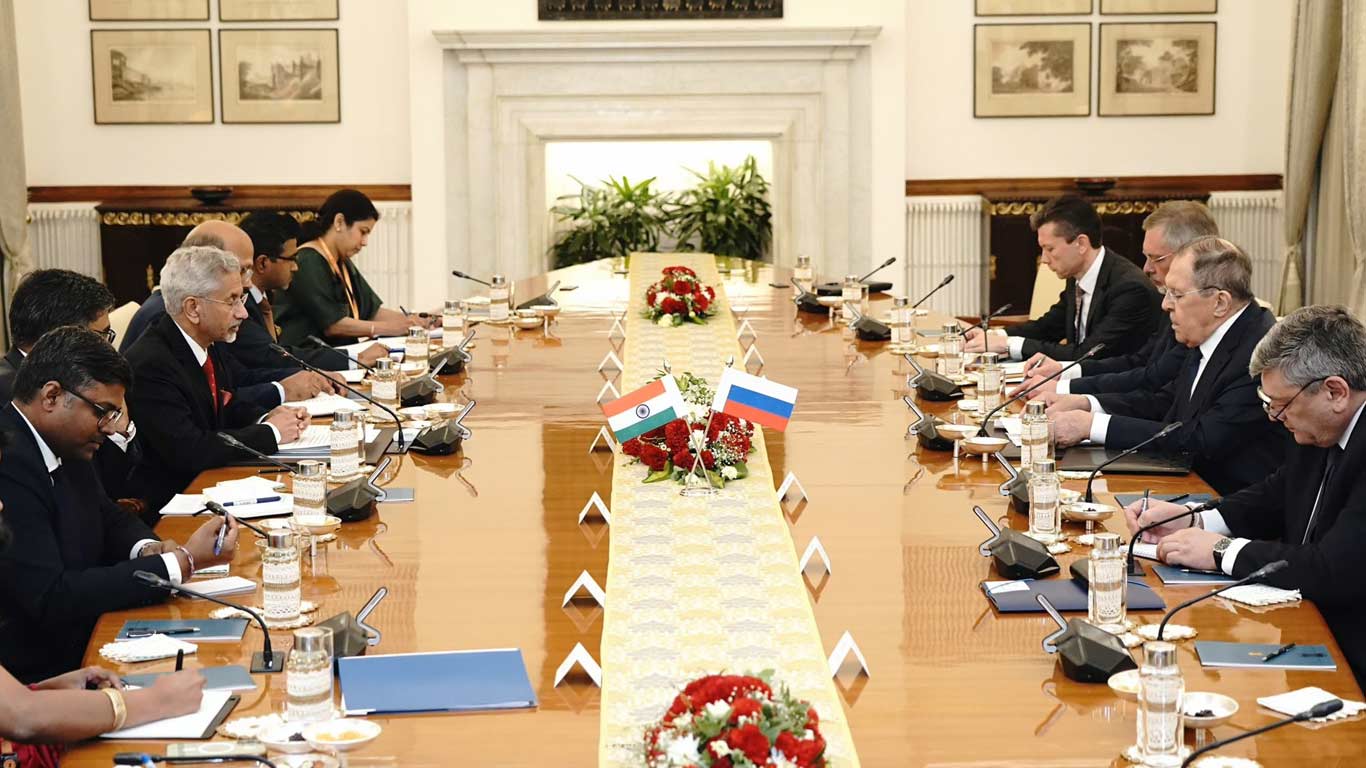 India and Russia reviewed bilateral energy cooperation, economic engagement and regional geopolitical developments during talks between External Affairs Minister S. Jaishankar and Russian Foreign Minister Sergey Lavrov in New Delhi. he discussions focused on the outcomes of the previous India-Russia annual summit, with particular emphasis on energy trade and expanding economic partnership between the two countries, according to ET. The two sides also reviewed developments related to the ongoing conflict and tensions in West Asia and their impact on global supply chains and international trade flows. In his opening remarks, Dr. Jaishankar highlighted the importance of sustained engagement and regular dialogue in strengthening bilateral relations between India and Russia.
|
E.U. 
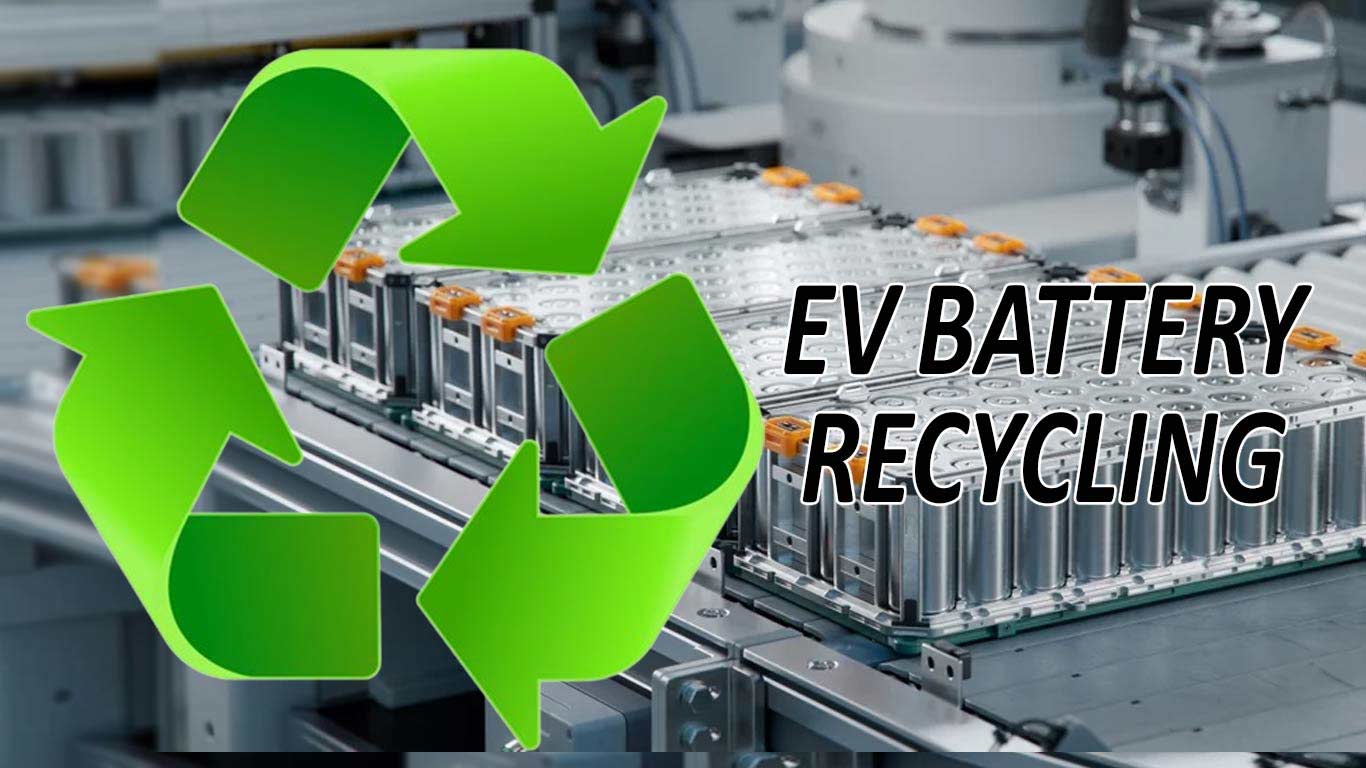 India and the European Union (EU) have launched a third coordinated call for proposals on recycling electric vehicle (EV) batteries. Announced on Tuesday under the India–EU Trade and Technology Council (TTC) framework, Working Group 2 on Green and Clean Energy Technologies, the initiative aims to strengthen resource security, promote a circular economy, advance clean energy technologies, and deepen cooperation between India and the European Union in the strategic EV value chain. The initiative has a total funding pool of EUR 15.2 million (around Rs 169 crore). It will be financed through the EU’s Horizon Europe programme, while the Indian component will be supported by the Ministry of Heavy Industries (MHI).
|
|
 |
 |
 |
 |
FISME’s official Twitter handle @fisme |
 |
KNN India’s official Twitter handle @knnindia |
 |
|
|
| Other Events |
India Dairy Summit & Awards (IDSA)
Annual Real Estate and Construction Legal Summit
India International Tent Decor & Catering Expo
India Refining Summit
World Carbon Capture & Climate Summit (WCCS)
India Food Summit & Awards
Biofuel Expo
Date: 04 - 06 Jun 2026
Venue: Greater Noida
See Details
Food & Beverage Expo 2026
Date: 4 - 6 June 2026
Venue: SS Convention Centre, Vijayawada
See Details
|
| Your Views |
Which measure, in your opinion, can most effectively improve
timely payments to MSMEs? 
According to the FISME factor, 100% of MSMEs believe that the automatic placement of unpaid MSME invoices on TReDS after 45 days for compulsory discounting/settlement would most effectively improve timely payments to MSMEs. |
| Knowledge Store |
HR Heuristics
How Employee Recognition Is Creating a Steady Demand Engine for Indian MSMEs
 As Indian workplaces evolve, so does the way organisations recognise and engage their people. What was once limited to annual appraisals or festive gifting has expanded into something more continuous, intentional, and culturally grounded. Employee recognition today is no longer an occasional gesture; it is becoming a strategic lever for engagement, retention, and culture-building. And in this shift, India’s Micro, Small, and Medium Enterprises (MSMEs)
|
Finance Fundamentals
How streamlined GST credits may help Indian manufacturers stay agile amid global disruption
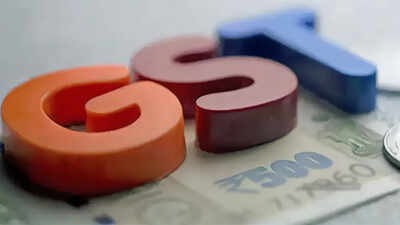 This New Year ushered an exciting set of events on the public policy front in India, with India signing/agreeing FTAs with the EU and the US and the annual Budget unfolding with a host of new policies and promises, even as these developments coincided with heightened geopolitical volatility, disrupted global supply chains, and persistent geoeconomic headwinds. In a tough negotiating climate with strong geopolitical developments, the FTAs have ushered in a sense of relief for exporters with the promise of greater market access and lower tariffs.
|
|
Marketing Mantras
Why personal branding matters more in an AI-driven world
 Products can be copied. Distribution can be bought. Trust cannot. Here’s why your personal brand matters more than ever for founders building in a noisy market. If people Google your name today, what story do they find? In a world flooded with content, automation, and AI-generated everything, attention has become scarce and trust even scarcer. Products look similar. Services sound identical.
|
|
Policy Polemic
AEPC Seeks Removal Of Cotton Import Duty To Boost Textile Competitiveness
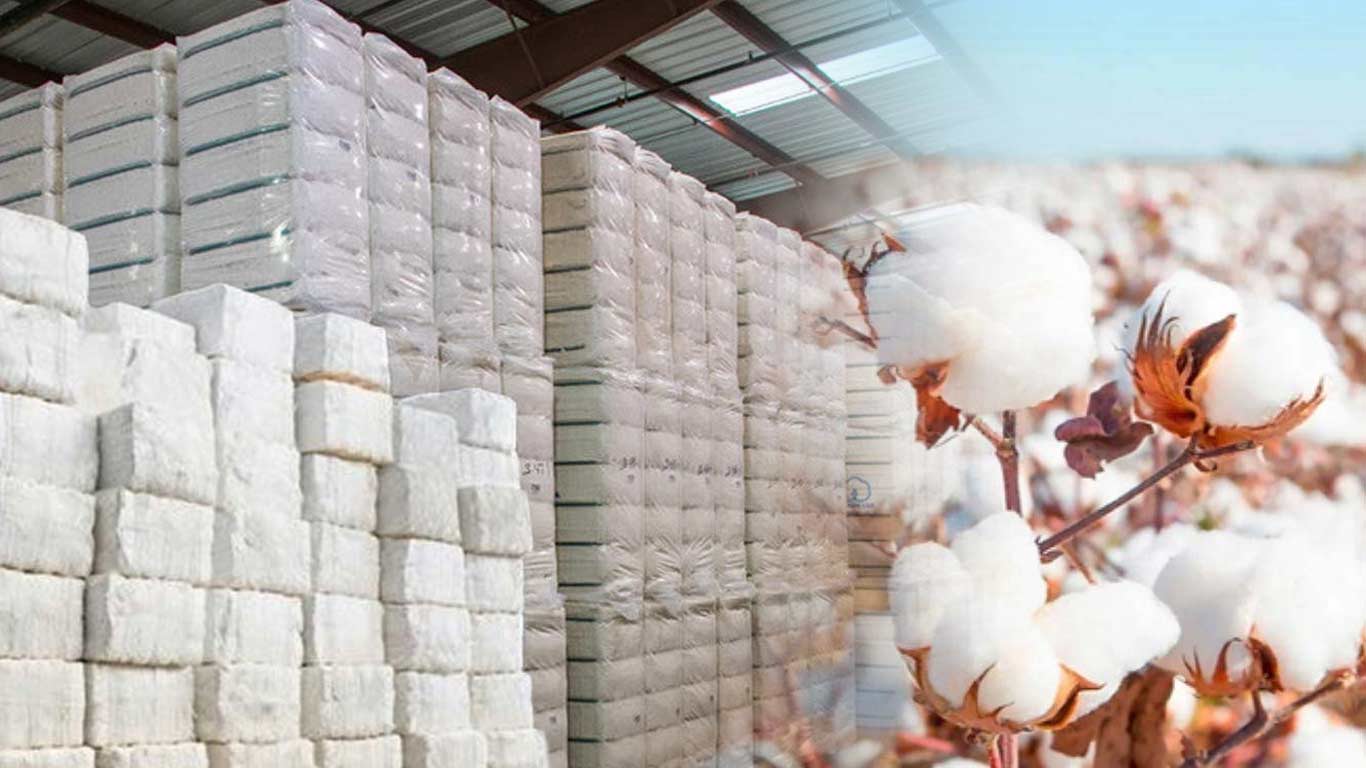 The Apparel Export Promotion Council (AEPC) has urged the Centre to reduce import duty on cotton to zero from the existing 11 percent, citing rising input costs and supply constraints impacting the textile and apparel industry.AEPC Chairman A. Sakthivel led a delegation of industry representatives that met Union Ministers Piyush Goyal, Shivraj Singh Chouhan, and Giriraj Singh, submitting
|
|
SME Special
Dhruva Space gets Rs 105 Cr from Centre for developing satellite platform
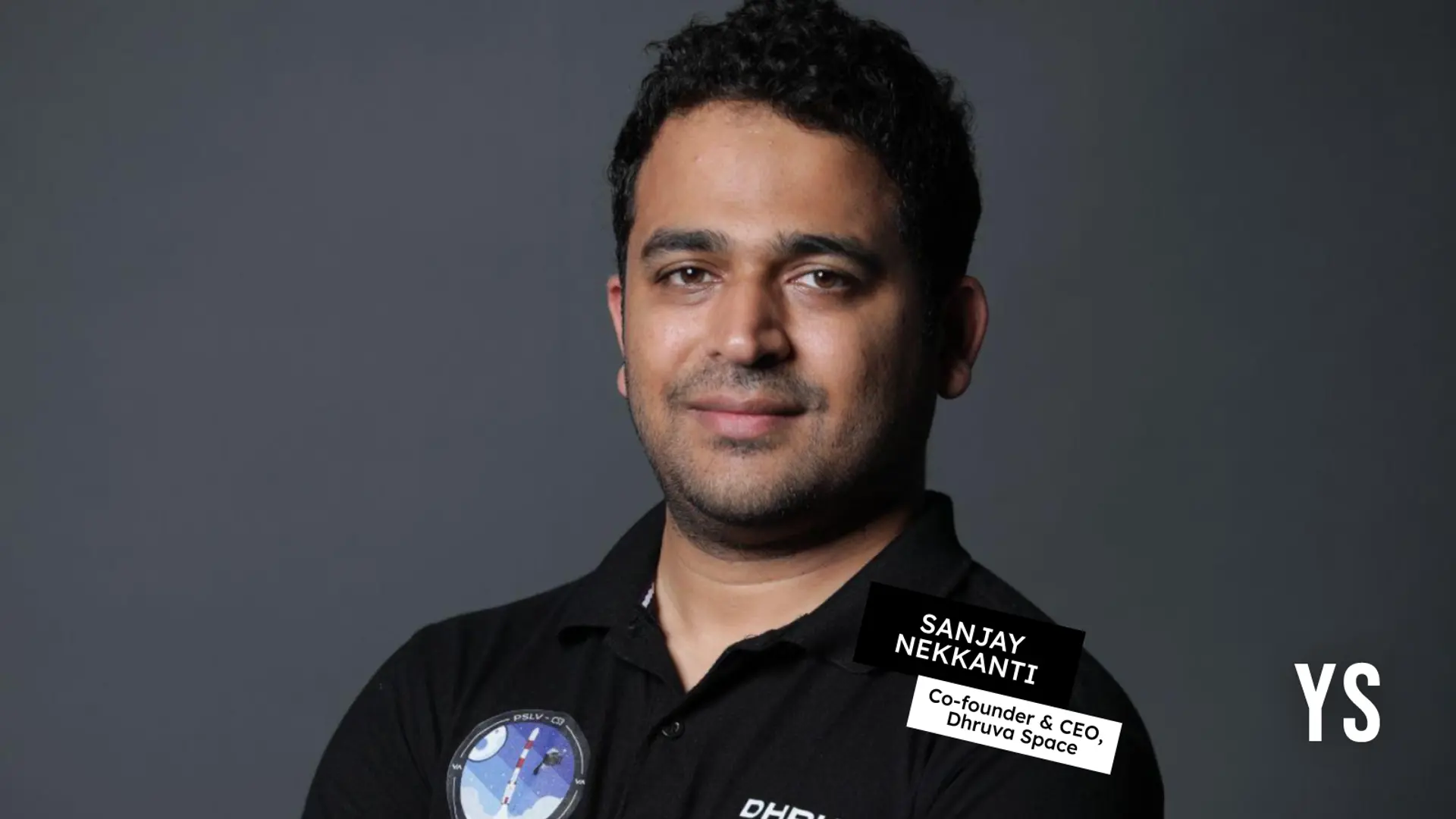 Hyderabad-based Dhruva Space has received a grant of Rs 105 crore from the Centre's Research, Development and Innovation Fund (RDIF) for Project Garud, the startup's programme that focuses on developing a standardised 500 kg-class platform designed for high-volume satellite deployment. A satellite platform is a component of a satellite that provides essential services to the payload and enables the mission objectives, such as power and communication. In a statement on Thursday, Abhay Egoor, Co-founder of Dhruva Space, said,
|
|
Success Story
BigEndian Semiconductors bags $6M led by IAN Alpha Fund
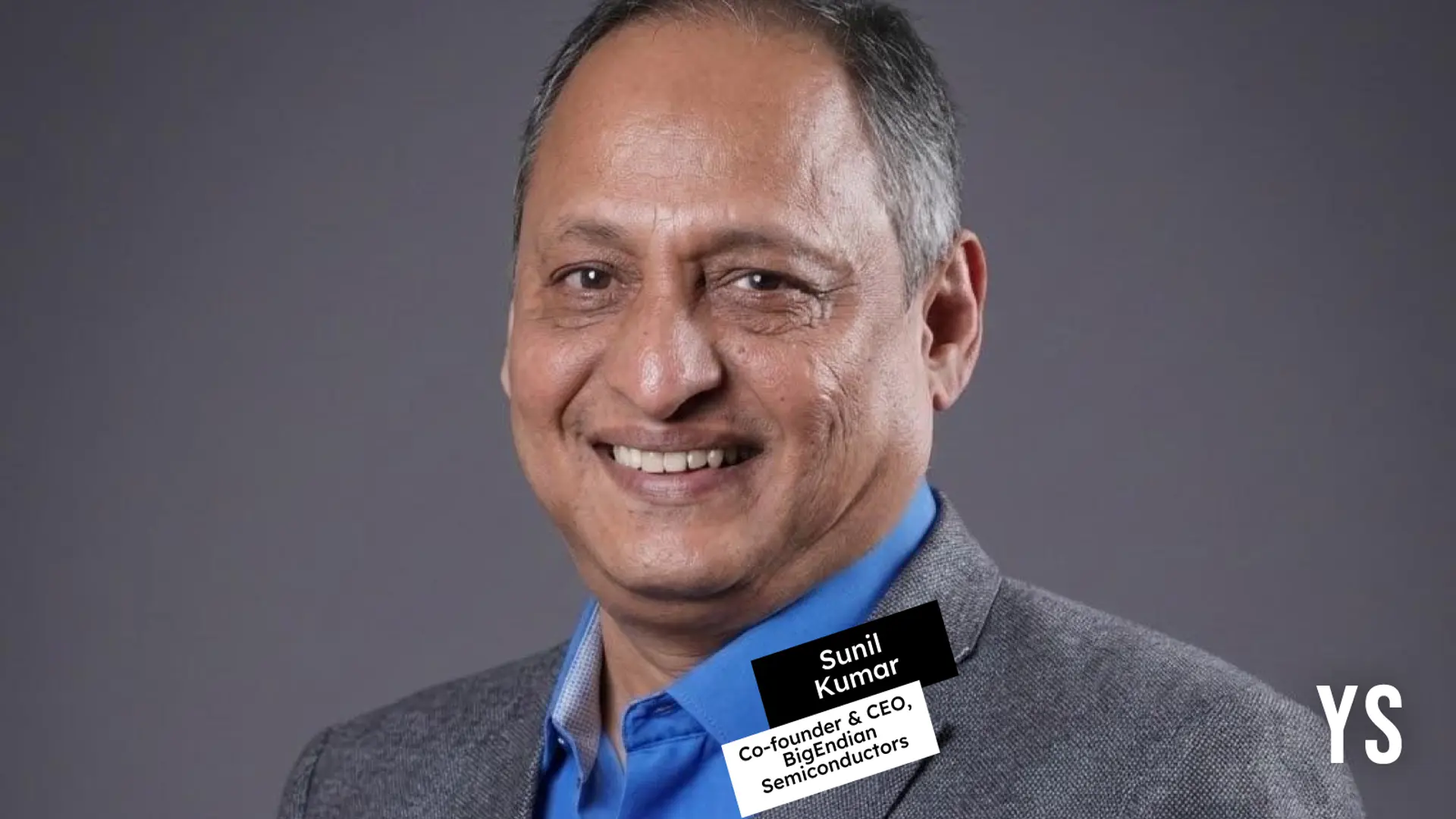 BigEndian Semiconductors, a Bengaluru-based fabless startup that designs system-on-chips, has raised $6 million in pre-Series A funding. The round was led by IAN Alpha Fund, with participation from Vertex Ventures SEA & India, IvyCap Ventures and angel investors. BigEndian said the funds will be used to commercialise its first SoC, expand product engineering and deepen partnerships with foundries, IP ecosystems and OEMs. The semiconductor startup noted that it has already completed tape-out of its first commercial chip, with tape-out meaning the final hand-off of a chip design to manufacturing.
|
Stockpile
The National Statistical Office (NSO), Ministry of Statistics And Programme Implementation (MoSPI) has released the Quick Estimate of Index of Industrial Production and Use-Based Index for the month of March 2026 (base 2011-12+100).
|
Quotable Quotes
 “ Do the difficult things while they are easy and do the great things while they are small. A journey of a thousand miles must begin with a single step. ”
– - Lao Tzu – Chinese Philosopher
|
| Country Chronicles |
|
FISME regularly receives monthly reports on the economies of various countries from their missions in India. These reports provide information on key economic parameters, trade related information and all news relevant for importers and exporters. In this edition you can take a look at reports on:
|
| New Members |
3 enterprises became member of FISME during the period from 1st May to 15th May 2026
|
| Reader Reactions |
Write and Win prize!
Write your comments on the FISME Factor. Share your views and suggestions on MSME issues. Win prize! The best mail will get a special book every fortnight.
send mail to: newsletter@fisme.org.in
|
| Editorial Team: |
Hon. Editor: Anil Bhardwaj
Asstt. Editor: Kalpana Sharma
Types setting & websdesigning: Sanjay Sachan
|
|
|
|
You are receiving this Newsletter because you are included in our mailing list of recipients who are involved or interested in FISME or Indian MSMEs. You are welcome to partly or fully reproduce and disseminate the contents of this publication provided that you acknowledge the source.
To subscribe/unsubscribe to this Newsletter
click subscribe or unsubscribe
This Newsletter is edited by the FISME Secretariat. We welcome contributions as well as comments and suggestions. Please write to info@fisme.org.in |
|
|
 |
Hyderabad
H. No. 6-3-569 / 1/2/4,
2nd floor, Rockdale Compound, Somajiguda
Hyderabad – 500082
Tel: +91- 40- 23322117 Fax: +91 -40- 23312116
Email: hyderabad@fisme.org.in |
|
| |
Jhandewalan
Tel: +91- 11- 4364 2013
Email: chamber.jw@fisme.org.in |
Mahipalpur
Tel: +91 -11- 46035866
Email: chamber.mpur@fisme.org.in |
|
|
|

|
|
|
|
|
|
|
|
|
|
|

